Buy smart-building.eu ?
We are moving the project
smart-building.eu .
Are you interested in purchasing the domain
smart-building.eu ?
domain@kv-gmbh.de · 0541-91531010
Buy smart-building.eu ?
Is a smart car particularly fuel-efficient, especially in terms of fuel consumption?
Yes, smart cars are known for their fuel efficiency, especially in terms of fuel consumption. Smart cars are designed to be small and lightweight, which helps to reduce the amount of fuel needed to power them. Additionally, smart cars often use advanced technology such as start-stop systems and regenerative braking to further improve fuel efficiency. Overall, smart cars are a good choice for those looking to minimize their fuel consumption and reduce their environmental impact. **
What is the fuel efficiency class of a tire?
The fuel efficiency class of a tire is a rating that indicates how well the tire can contribute to reducing fuel consumption. It is measured on a scale from A (most efficient) to G (least efficient), with A being the most fuel-efficient class. Tires with a higher fuel efficiency class can help improve a vehicle's fuel economy and reduce carbon emissions. It is an important factor to consider when choosing tires for your vehicle. **


Similar search terms for Fuel
Top-Angebote
Products related to Fuel:
-
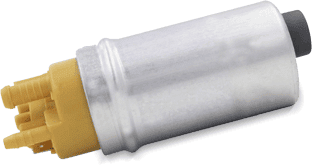
ENERGY G10026 Fuel pumpVoltage [V]: 12; Fitting Position: in the fuel tank; Diameter: 36; Operating Mode: Electric; Flow rate [l/h]: 75; Injection System: Single Point Injection (SPI); Supplementary Article / Supplementary Info Info 2: with filter; Weight [kg]: 0,22; Diameter 1 [mm]: 8; Diameter 2 [mm]: 19; Operating Pressure [bar]: 0,3; Number of inlets/outlets: 1/1; Length 1 [mm]: 66; Length 2 [mm]: 97; Always compare old and new part (in particular OE No.): ; Construction Year to: 09/1987, 04/1987, 12/1990, 08/1996, 12/1987; Engine Code: 1F; TecDoc Engine Number: 3570; not for TECDOC engine number: 498915,49 £*Shipping: 8,45 £Secure redirect to the provider
-
ENERGY G10066 Fuel pumpVoltage [V]: 12; Fitting Position: in the fuel tank; Diameter: 43; Operating Mode: Electric; Fuel Type: Petrol; Flow rate [l/h]: 120; Injection System: Multi Point Injection (MPI); Supplementary Article / Supplementary Info Info 2: with filter; Weight [kg]: 0,56; Diameter 1 [mm]: 8; Diameter 2 [mm]: 12; Operating Pressure [bar]: 3; Number of inlets/outlets: 1/1; Length 1 [mm]: 97; Length 2 [mm]: 147; Always compare old and new part (in particular OE No.): ; Vehicle Identification Number (VIN) from: P1000001, S1008893, K1000099, 11000001; Construction Year to: 02/1992, 12/1989, 02/1998, 08/2000, 12/1995, 12/1987, 06/2000, 03/1994, 08/1999, 01/2004; Construction Year from: 01/1988, 09/2000, 09/1989, 09/1994; Vehicle Identification Number (VIN) to: Y3010332, X1093313, X1166419, X1167719, Y2042870; TecDoc Engine Number: 5284, 4820, 15850; not for engine code: Z 14 XE; not for TECDOC engine number: 14923, 1304825,49 £*Shipping: 8,45 £Secure redirect to the provider
-
ENERGY G10084/1 Fuel pumpVoltage [V]: 12; Fitting Position: in the fuel tank; Operating Mode: Electric; Fuel Type: Diesel; Flow rate [l/h]: 140; Supplementary Article / Supplementary Info Info 2: with filter; Weight [kg]: 0,42; Operating Pressure [bar]: 0,5; Number of inlets/outlets: 1/2; Always compare old and new part (in particular OE No.):29,99 £*Shipping: 8,45 £Secure redirect to the provider


-
What is the fuel efficiency of a gasoline engine?
The fuel efficiency of a gasoline engine is typically measured in miles per gallon (MPG) or liters per 100 kilometers (L/100km). This measures how far a vehicle can travel on a certain amount of fuel. The fuel efficiency of a gasoline engine can vary depending on factors such as the vehicle's make and model, driving conditions, and maintenance. Generally, newer gasoline engines are designed to be more fuel efficient than older models due to advancements in technology and engineering. **
-
What is the relationship between efficiency and fuel consumption in physics?
In physics, the relationship between efficiency and fuel consumption is often described by the concept of energy conversion. Efficiency is a measure of how well a system converts input energy into useful output energy, while fuel consumption is a measure of the amount of fuel needed to produce a certain amount of energy. Generally, higher efficiency means lower fuel consumption, as a more efficient system requires less fuel to produce the same amount of energy output. This relationship is important in designing and optimizing energy systems, such as engines and power plants, to minimize fuel consumption and maximize energy efficiency. **
-
How does a hydrogen fuel cell produce energy?
A hydrogen fuel cell produces energy through an electrochemical reaction between hydrogen and oxygen. Hydrogen gas is fed into the anode side of the fuel cell, where it is split into protons and electrons. The protons travel through an electrolyte membrane to the cathode side, while the electrons flow through an external circuit, creating an electric current. At the cathode, the protons, electrons, and oxygen from the air combine to produce water and release energy in the form of electricity. **
-
How does the fuel gauge work in the Smart Forfour?
The fuel gauge in the Smart Forfour works by measuring the level of fuel in the gas tank using a float connected to a sensor. As the fuel level changes, the float moves up and down, sending a signal to the gauge on the dashboard which then displays the current fuel level. This allows the driver to easily monitor how much fuel is left in the tank and plan for refueling accordingly. **


What is an electrician in energy and building technology?
An electrician in energy and building technology is a professional who specializes in installing, maintaining, and repairing electrical systems in residential, commercial, and industrial buildings. They are responsible for ensuring that electrical systems are safe, efficient, and up to code. These electricians work with a variety of systems, including lighting, power distribution, heating, ventilation, air conditioning (HVAC), and renewable energy technologies. They play a crucial role in ensuring that buildings are powered effectively and sustainably. **
How do stricter environmental regulations requiring higher fuel efficiency affect the automotive industry?
Stricter environmental regulations requiring higher fuel efficiency in the automotive industry can have both positive and negative impacts. On one hand, it can drive innovation and the development of more fuel-efficient technologies, leading to cleaner vehicles and reduced emissions. However, it can also increase production costs for automakers, potentially leading to higher prices for consumers. Additionally, it may require significant investments in research and development to meet these regulations, which could impact the profitability of some companies. **
Top-Angebote
Products related to Fuel:
-
ENERGY G10086 Fuel pumpVoltage [V]: 12; Fitting Position: in the fuel tank; Operating Mode: Electric; Fuel Type: Diesel; Supplementary Article / Supplementary Info Info 2: with filter; Weight [kg]: 0,44; Number of inlets/outlets: 1/1; Always compare old and new part (in particular OE No.):30,99 £*Shipping: 8,45 £Secure redirect to the provider
-
ENERGY G10026 Fuel pumpVoltage [V]: 12; Fitting Position: in the fuel tank; Diameter: 36; Operating Mode: Electric; Flow rate [l/h]: 75; Injection System: Single Point Injection (SPI); Supplementary Article / Supplementary Info Info 2: with filter; Weight [kg]: 0,22; Diameter 1 [mm]: 8; Diameter 2 [mm]: 19; Operating Pressure [bar]: 0,3; Number of inlets/outlets: 1/1; Length 1 [mm]: 66; Length 2 [mm]: 97; Always compare old and new part (in particular OE No.): ; Construction Year to: 09/1987, 04/1987, 12/1990, 08/1996, 12/1987; Engine Code: 1F; TecDoc Engine Number: 3570; not for TECDOC engine number: 498915,49 £*Shipping: 8,45 £Secure redirect to the provider
-
ENERGY G10066 Fuel pumpVoltage [V]: 12; Fitting Position: in the fuel tank; Diameter: 43; Operating Mode: Electric; Fuel Type: Petrol; Flow rate [l/h]: 120; Injection System: Multi Point Injection (MPI); Supplementary Article / Supplementary Info Info 2: with filter; Weight [kg]: 0,56; Diameter 1 [mm]: 8; Diameter 2 [mm]: 12; Operating Pressure [bar]: 3; Number of inlets/outlets: 1/1; Length 1 [mm]: 97; Length 2 [mm]: 147; Always compare old and new part (in particular OE No.): ; Vehicle Identification Number (VIN) from: P1000001, S1008893, K1000099, 11000001; Construction Year to: 02/1992, 12/1989, 02/1998, 08/2000, 12/1995, 12/1987, 06/2000, 03/1994, 08/1999, 01/2004; Construction Year from: 01/1988, 09/2000, 09/1989, 09/1994; Vehicle Identification Number (VIN) to: Y3010332, X1093313, X1166419, X1167719, Y2042870; TecDoc Engine Number: 5284, 4820, 15850; not for engine code: Z 14 XE; not for TECDOC engine number: 14923, 1304825,49 £*Shipping: 8,45 £Secure redirect to the provider
-
Is a smart car particularly fuel-efficient, especially in terms of fuel consumption?
Yes, smart cars are known for their fuel efficiency, especially in terms of fuel consumption. Smart cars are designed to be small and lightweight, which helps to reduce the amount of fuel needed to power them. Additionally, smart cars often use advanced technology such as start-stop systems and regenerative braking to further improve fuel efficiency. Overall, smart cars are a good choice for those looking to minimize their fuel consumption and reduce their environmental impact. **
-
What is the fuel efficiency class of a tire?
The fuel efficiency class of a tire is a rating that indicates how well the tire can contribute to reducing fuel consumption. It is measured on a scale from A (most efficient) to G (least efficient), with A being the most fuel-efficient class. Tires with a higher fuel efficiency class can help improve a vehicle's fuel economy and reduce carbon emissions. It is an important factor to consider when choosing tires for your vehicle. **
-
What is the fuel efficiency of a gasoline engine?
The fuel efficiency of a gasoline engine is typically measured in miles per gallon (MPG) or liters per 100 kilometers (L/100km). This measures how far a vehicle can travel on a certain amount of fuel. The fuel efficiency of a gasoline engine can vary depending on factors such as the vehicle's make and model, driving conditions, and maintenance. Generally, newer gasoline engines are designed to be more fuel efficient than older models due to advancements in technology and engineering. **
-
What is the relationship between efficiency and fuel consumption in physics?
In physics, the relationship between efficiency and fuel consumption is often described by the concept of energy conversion. Efficiency is a measure of how well a system converts input energy into useful output energy, while fuel consumption is a measure of the amount of fuel needed to produce a certain amount of energy. Generally, higher efficiency means lower fuel consumption, as a more efficient system requires less fuel to produce the same amount of energy output. This relationship is important in designing and optimizing energy systems, such as engines and power plants, to minimize fuel consumption and maximize energy efficiency. **
Similar search terms for Fuel
-
ENERGY G10084/1 Fuel pumpVoltage [V]: 12; Fitting Position: in the fuel tank; Operating Mode: Electric; Fuel Type: Diesel; Flow rate [l/h]: 140; Supplementary Article / Supplementary Info Info 2: with filter; Weight [kg]: 0,42; Operating Pressure [bar]: 0,5; Number of inlets/outlets: 1/2; Always compare old and new part (in particular OE No.):29,99 £*Shipping: 8,45 £Secure redirect to the provider
-
ENERGY G10065/1 Fuel pumpVoltage [V]: 12; Fitting Position: in the fuel tank; Operating Mode: Electric; Fuel Type: Petrol; Flow rate [l/h]: 120; Injection System: Multi Point Injection (MPI); Supplementary Article / Supplementary Info Info 2: with filter; Weight [kg]: 0,56; Diameter 1 [mm]: 8; Diameter 2 [mm]: 12; Operating Pressure [bar]: 4; Number of inlets/outlets: 1/1; Length 2 [mm]: 134; Always compare old and new part (in particular OE No.):33,99 £*Shipping: 8,45 £Secure redirect to the provider
-
ENERGY G20037/1 Fuel pumpVoltage [V]: 12; Fitting Position: Fuel Line; Diameter: 52; Operating Mode: Electric; Fuel Type: Diesel; Weight [kg]: 0,78; Diameter 1 [mm]: 8; Diameter 2 [mm]: 12; Operating Pressure [bar]: 1,5; Number of inlets/outlets: 1/1; Length 1 [mm]: 64; Length 2 [mm]: 182; Always compare old and new part (in particular OE No.):31,49 £*Shipping: 8,45 £Secure redirect to the provider
-
How does a hydrogen fuel cell produce energy?
A hydrogen fuel cell produces energy through an electrochemical reaction between hydrogen and oxygen. Hydrogen gas is fed into the anode side of the fuel cell, where it is split into protons and electrons. The protons travel through an electrolyte membrane to the cathode side, while the electrons flow through an external circuit, creating an electric current. At the cathode, the protons, electrons, and oxygen from the air combine to produce water and release energy in the form of electricity. **
-
How does the fuel gauge work in the Smart Forfour?
The fuel gauge in the Smart Forfour works by measuring the level of fuel in the gas tank using a float connected to a sensor. As the fuel level changes, the float moves up and down, sending a signal to the gauge on the dashboard which then displays the current fuel level. This allows the driver to easily monitor how much fuel is left in the tank and plan for refueling accordingly. **
-
What is an electrician in energy and building technology?
An electrician in energy and building technology is a professional who specializes in installing, maintaining, and repairing electrical systems in residential, commercial, and industrial buildings. They are responsible for ensuring that electrical systems are safe, efficient, and up to code. These electricians work with a variety of systems, including lighting, power distribution, heating, ventilation, air conditioning (HVAC), and renewable energy technologies. They play a crucial role in ensuring that buildings are powered effectively and sustainably. **
-
How do stricter environmental regulations requiring higher fuel efficiency affect the automotive industry?
Stricter environmental regulations requiring higher fuel efficiency in the automotive industry can have both positive and negative impacts. On one hand, it can drive innovation and the development of more fuel-efficient technologies, leading to cleaner vehicles and reduced emissions. However, it can also increase production costs for automakers, potentially leading to higher prices for consumers. Additionally, it may require significant investments in research and development to meet these regulations, which could impact the profitability of some companies. **
* All prices are inclusive of VAT and, if applicable, plus shipping costs. The offer information is based on the details provided by the respective shop and is updated through automated processes. Real-time updates do not occur, so deviations can occur in individual cases. ** Note: Parts of this content were created by AI.